


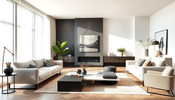
Home Décor Trends for 2026: What to Embrace and What to Leave Behind
, par Très Elite, 7 min temps de lecture
, par Très Elite, 7 min temps de lecture
As we step into 2026, home décor continues to evolve in ways that feel more intentional, functional, and personal than ever before. Today’s interiors are no longer just about appearance. They are about how a space feels, how it functions, and how well it reflects the people living in it.
At Très Elite, we have been closely watching the shift in design preferences and the direction interiors are taking. The result is clear: homeowners are moving toward spaces that feel refined, practical, sustainable, and deeply individual. Some trends are proving they have real staying power, while others are beginning to feel overly temporary or disconnected from everyday living.
Here is our take on the home décor trends in 2026 that are worth embracing — and the ones that may be best left behind.
One of the most defining movements in 2026 is the continued rise of sustainable design. Homeowners are becoming far more mindful about what they bring into their homes, choosing pieces and materials that are better for the environment and built to last.
Rather than filling a space with disposable décor, the focus is shifting toward thoughtful purchasing. Quality matters more. Longevity matters more. The story behind a piece matters more.
Reclaimed wood, repurposed metal, vintage furniture, and salvaged materials are becoming increasingly desirable. These elements bring authenticity, texture, and character into a home in a way mass-produced pieces often cannot.
Furniture made from old barn wood, aged steel, or recycled materials adds depth and individuality to a space. It also helps create interiors that feel collected rather than generic.
Sustainability is also influencing how homes function. Energy-efficient appliances, smarter lighting systems, and design choices that reduce waste are becoming a natural part of modern interiors. Homeowners are looking for ways to create beautiful homes that are also cost-conscious and efficient.
The appeal lies in designs that are practical without sacrificing style — clean, modern, and seamlessly integrated into the home.
Minimalism remains influential in 2026, but it is no longer about stripping a room down until it feels cold or empty. Instead, it is becoming warmer, more livable, and more intentional.
The appeal of minimalist design still comes from simplicity, order, and clarity, but now it is being balanced with softness, texture, and comfort.
More homeowners are choosing interiors that feel open, organized, and visually restful. Clutter is being reduced, and every piece in a room is expected to serve a purpose, whether functional, aesthetic, or both.
Built-in storage, well-designed layouts, and furniture with clean silhouettes continue to define this look. The goal is not emptiness, but ease.
Soft whites, warm beiges, greiges, taupes, and muted earth tones continue to dominate in 2026. These shades create a calm foundation that feels timeless and flexible.
What makes today’s neutral interiors different is the layering. Instead of feeling flat, they are enriched with texture through linen, boucle, wood grain, stone, ceramics, and natural textiles. The result is a neutral space that still feels warm, dimensional, and inviting.
As homes continue to serve more purposes, functionality is becoming one of the strongest forces in interior design. People want rooms that work harder for them without feeling crowded or compromised.
This is especially true in condos, smaller homes, and multi-use family spaces where every square foot matters.
Transformable furniture is becoming increasingly valuable in 2026. Pieces such as sofa beds, extendable tables, nesting furniture, storage ottomans, and fold-away desks allow homeowners to make the most of their space without sacrificing style.
The best multifunctional pieces are the ones that do not look overly mechanical or utilitarian. They blend beautifully into the room while offering flexibility behind the scenes.
The idea of assigning one strict purpose to each room is fading. A guest room may also function as a home office. A dining area may become a workspace during the day. A bedroom corner may double as a reading nook or wellness space.
Design in 2026 is responding to real life. Homes are being shaped around how people actually live, not just how spaces have traditionally been labeled.
Perhaps one of the most exciting trends in 2026 is the growing desire for interiors that feel personal rather than formulaic. Homeowners want spaces that tell a story — their story.
Instead of copying a showroom look from start to finish, people are blending styles, displaying meaningful objects, and choosing pieces that reflect their taste, memories, and lifestyle.
Custom furniture and made-to-order décor are becoming increasingly desirable, especially for homeowners who want something unique and intentional. A custom shelving unit, tailored upholstery, one-of-a-kind artwork, or personalized decorative details can instantly make a space feel more elevated and authentic.
These pieces are not just visually appealing. They help a home feel truly lived in and distinctly individual.
In 2026, personality is being expressed through curation. A collection of handmade ceramics, vintage books, framed photographs, travel objects, or treasured heirlooms can become part of the design language of a room.
These details bring warmth and identity to a space in a way that trend-based styling often cannot.
Not every design trend deserves a long life. While it can be tempting to follow every new aesthetic that appears online, some choices are better admired briefly than invested in heavily.
Pieces that are extremely trend-specific often lose their appeal quickly. What looks exciting for one season can feel dated the next. In 2026, the smarter approach is to invest in timeless foundational pieces and incorporate trends in smaller, easier-to-change ways through accents, textiles, or décor.
A beautiful home should feel lasting, not disposable.
Minimalism works best when it still feels human. Spaces that are too bare, too stark, or too rigid can end up feeling impersonal and uncomfortable. A home should feel calm, but it should also feel welcoming.
That is why the best minimalist interiors in 2026 include warmth through texture, natural materials, soft layering, and meaningful personal touches.
The most important shift in 2026 is that home décor is becoming more grounded in real life. Beauty is still essential, but it is being paired with sustainability, practicality, and emotional connection. People are no longer designing just for appearances. They are designing for comfort, ease, identity, and longevity.
The homes that stand out this year will not necessarily be the most expensive or the most trend-heavy. They will be the ones that feel intentional, balanced, and deeply personal.
At Très Elite, we believe the future of design lies in creating spaces that are not only beautiful, but also meaningful and enduring. As trends continue to evolve, the most successful interiors will always be the ones that reflect how you truly want to live.


