


Light Oxygen Water Light Meter For Water Quality Testing
$45.00
Description
Light Oxygen Water Light Meter For Water Quality Testing
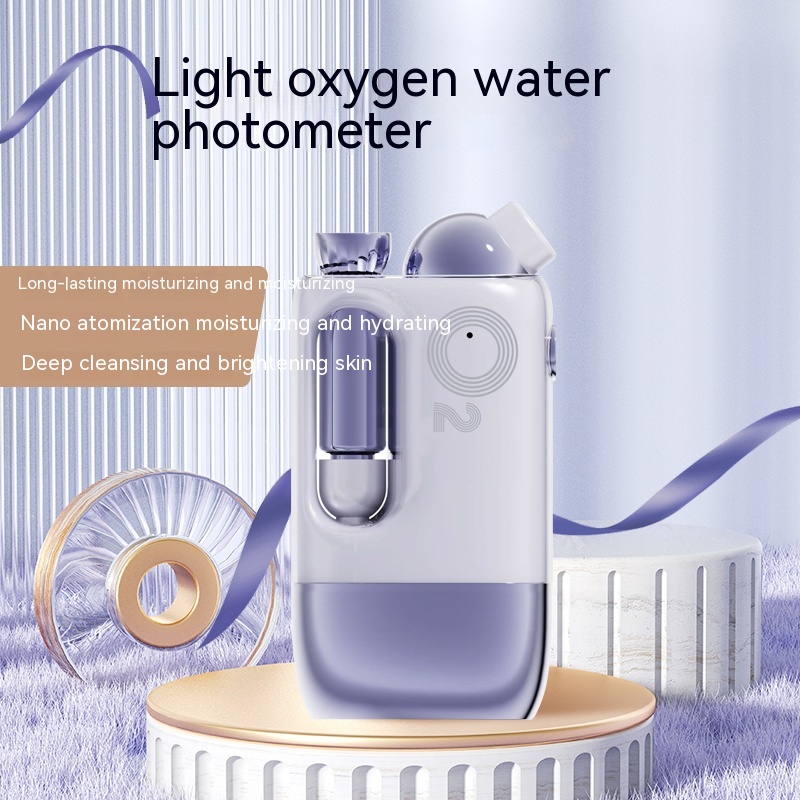
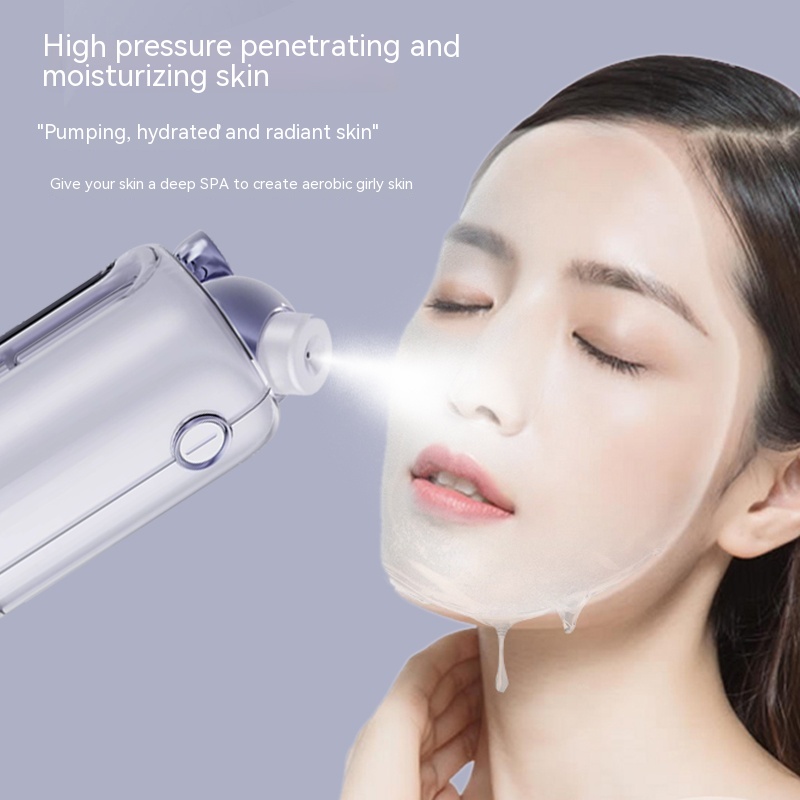
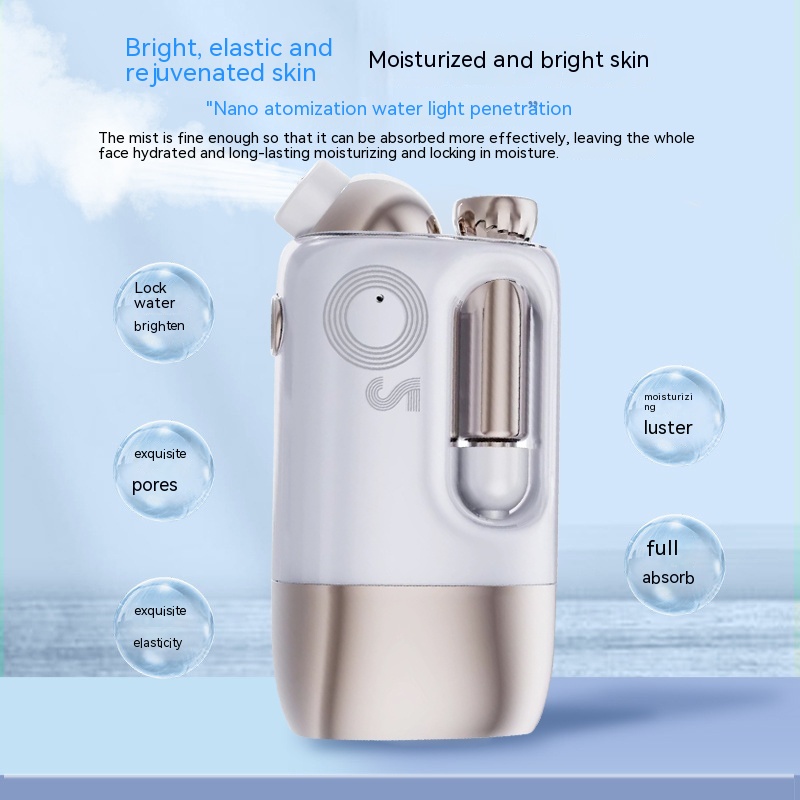
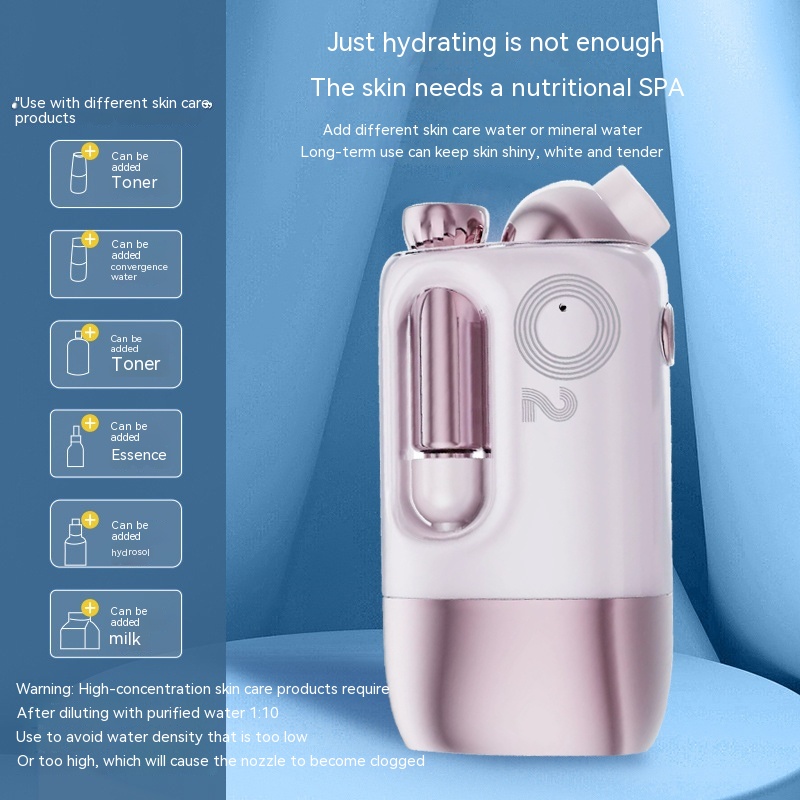
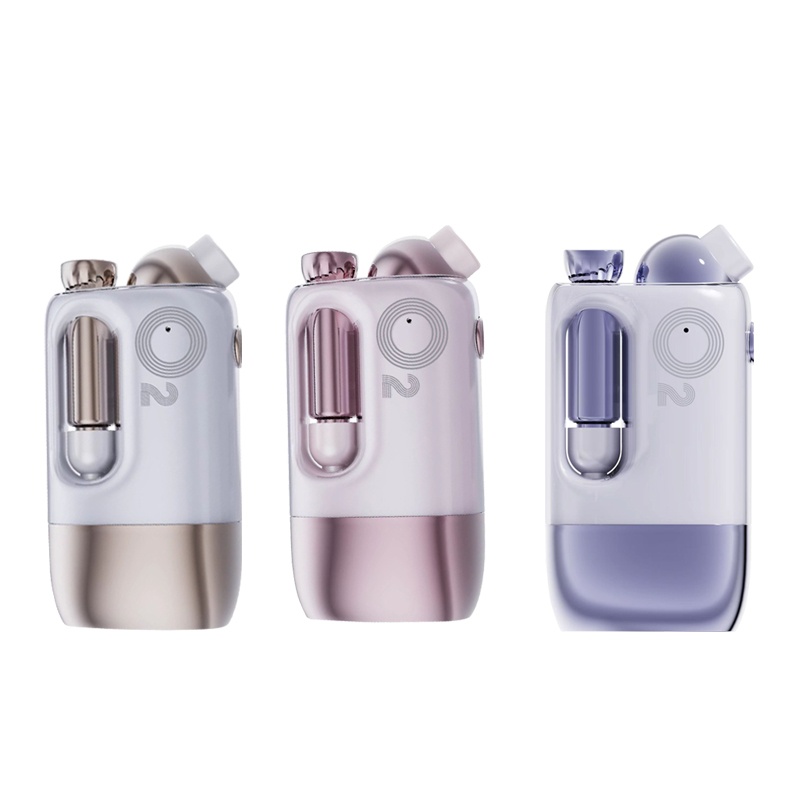
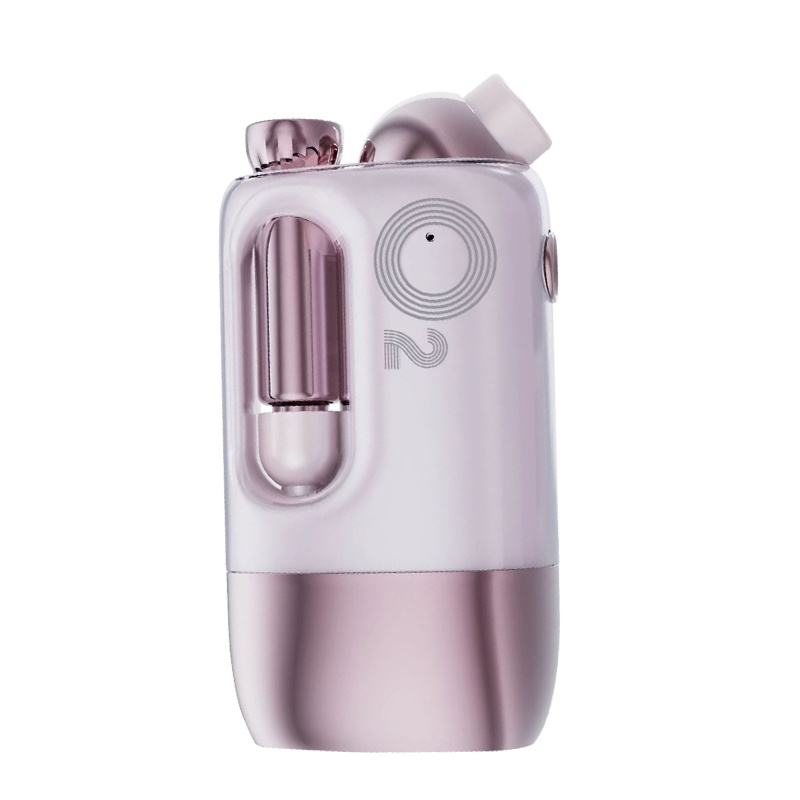
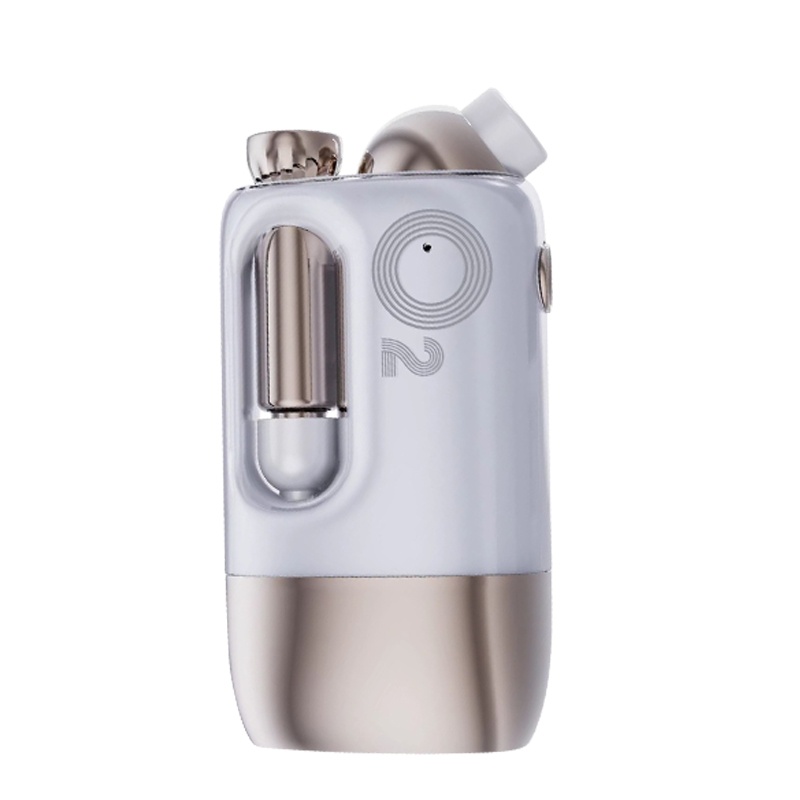
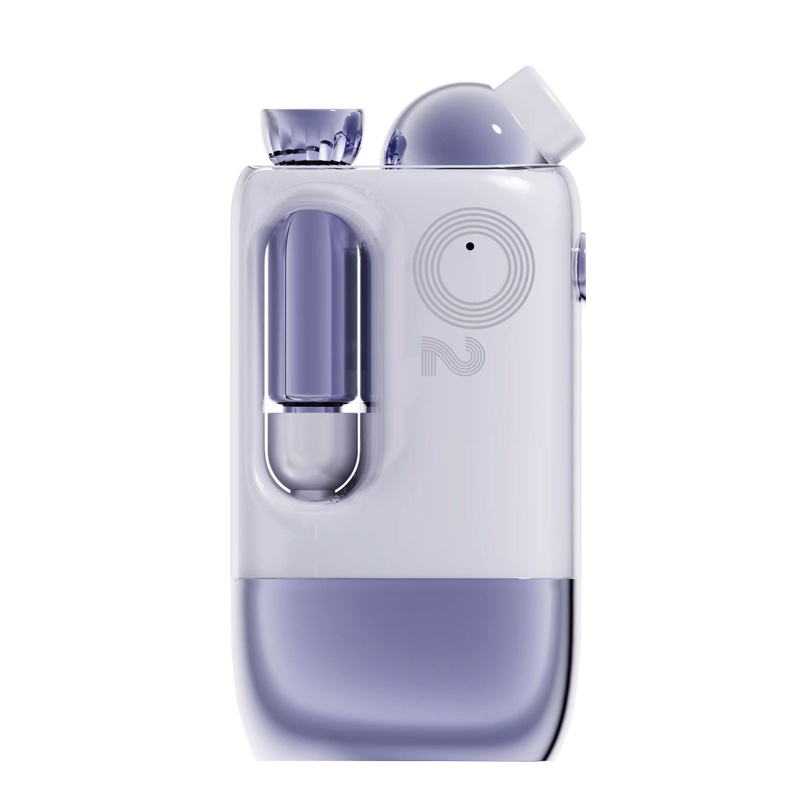
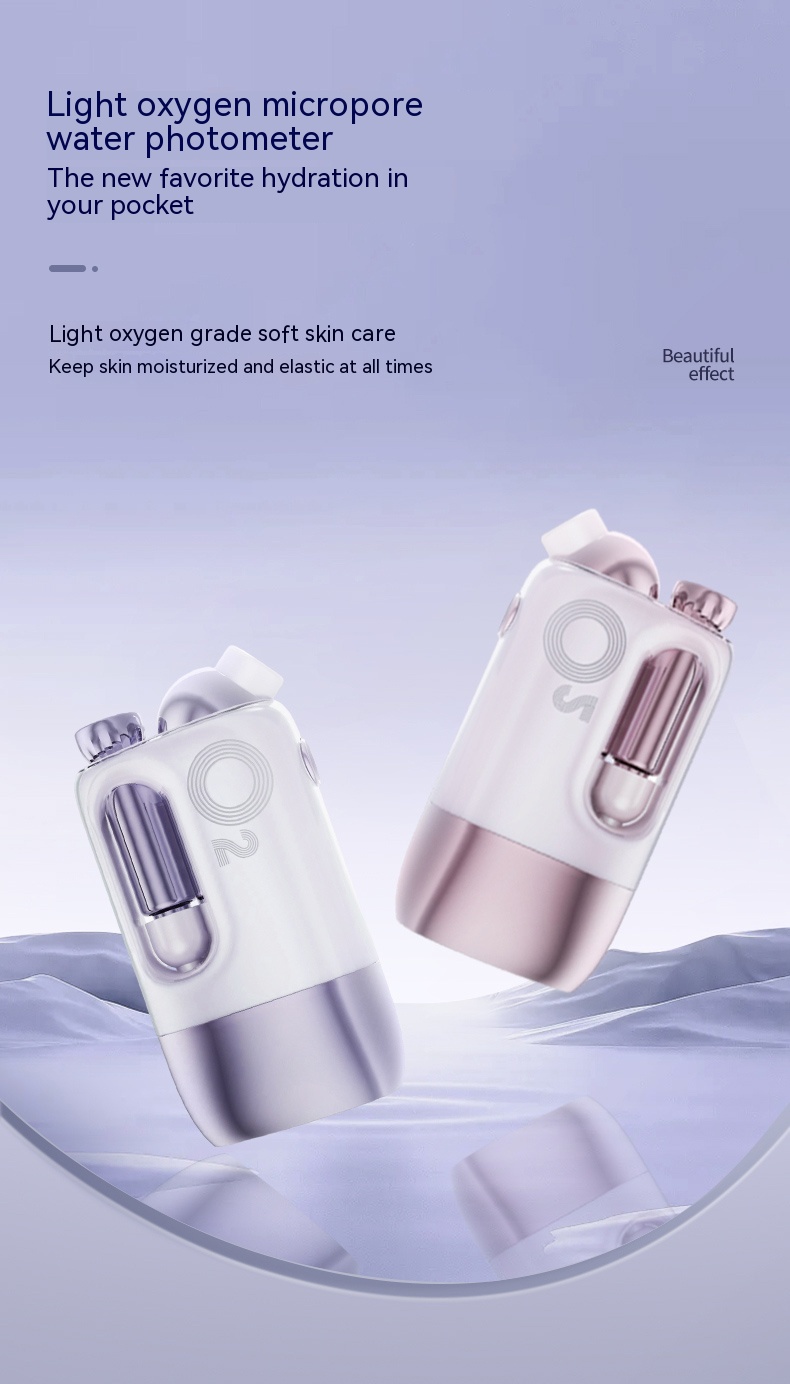
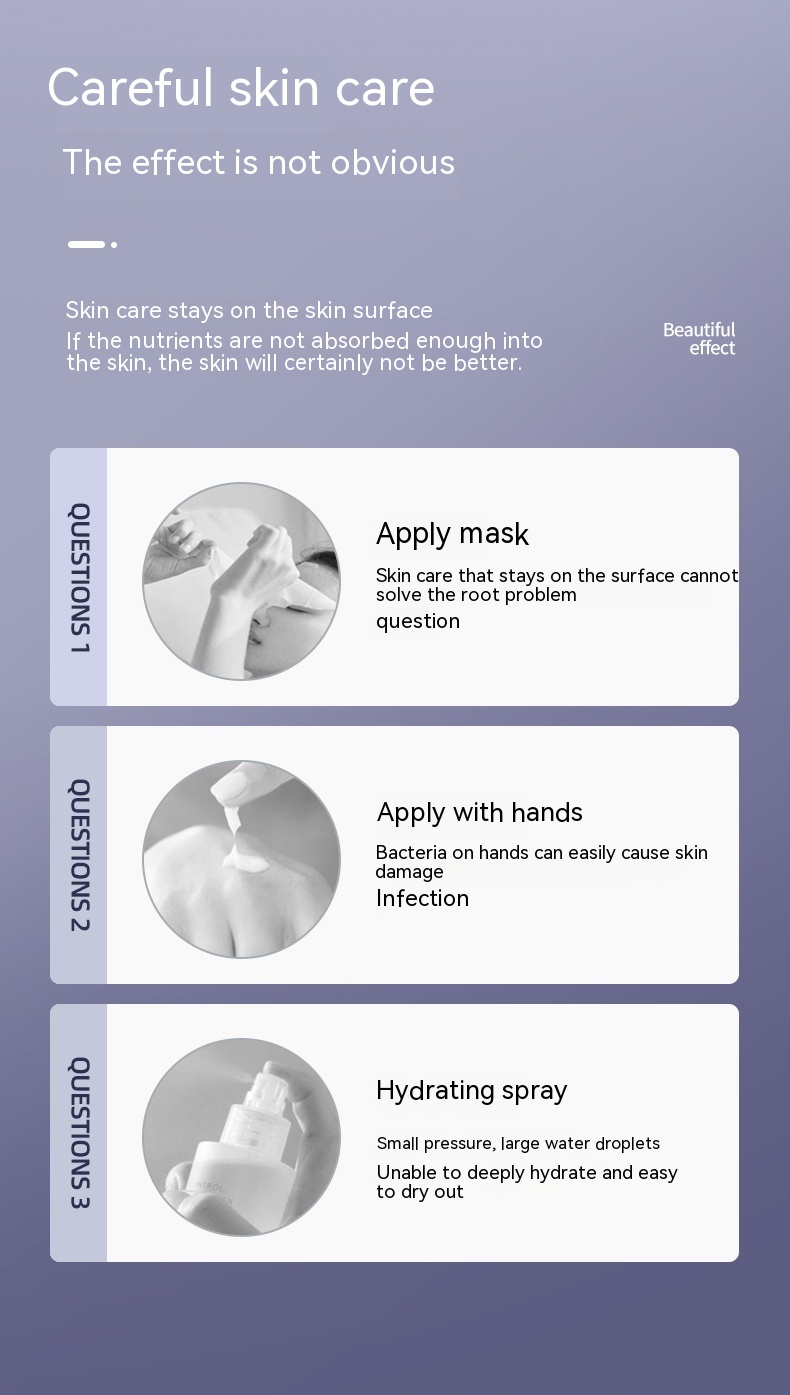
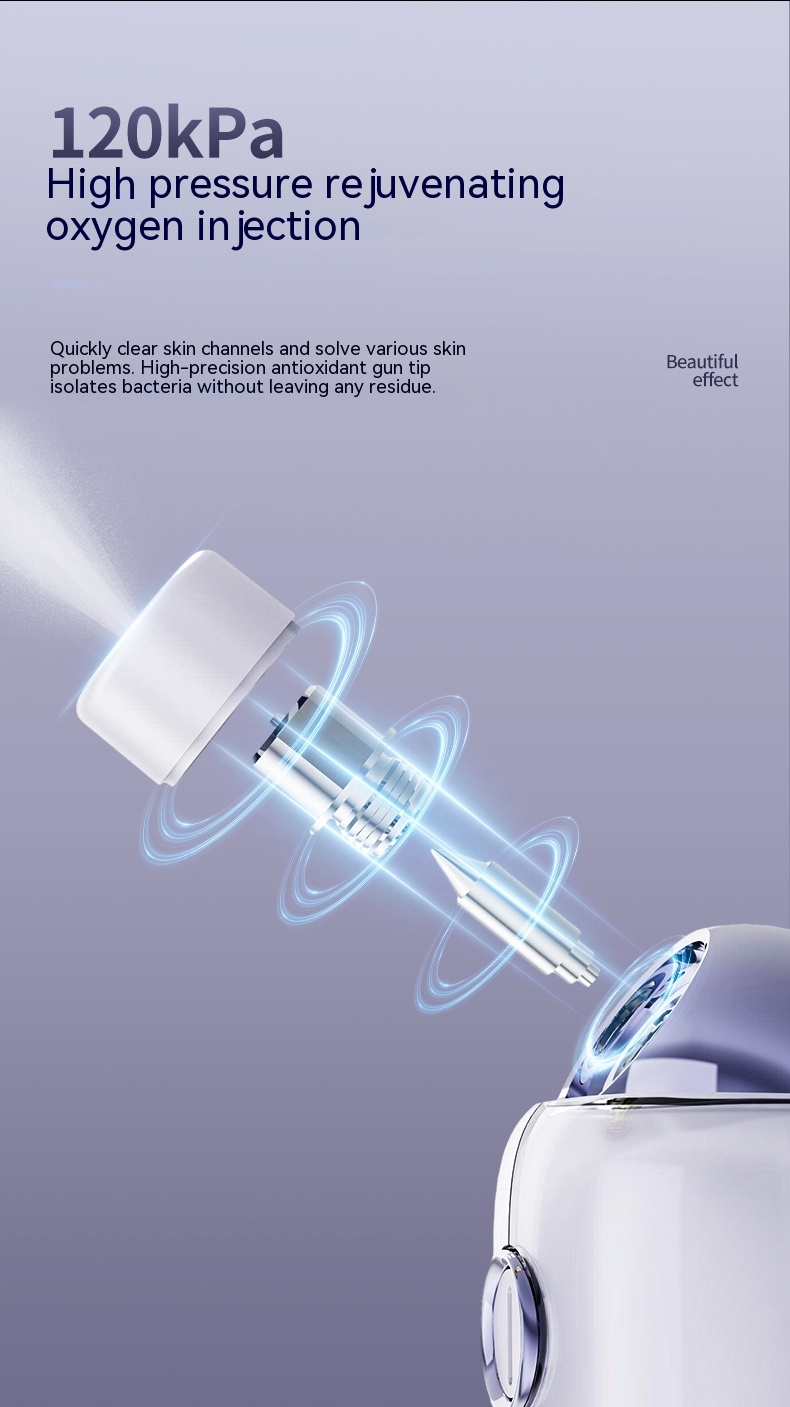
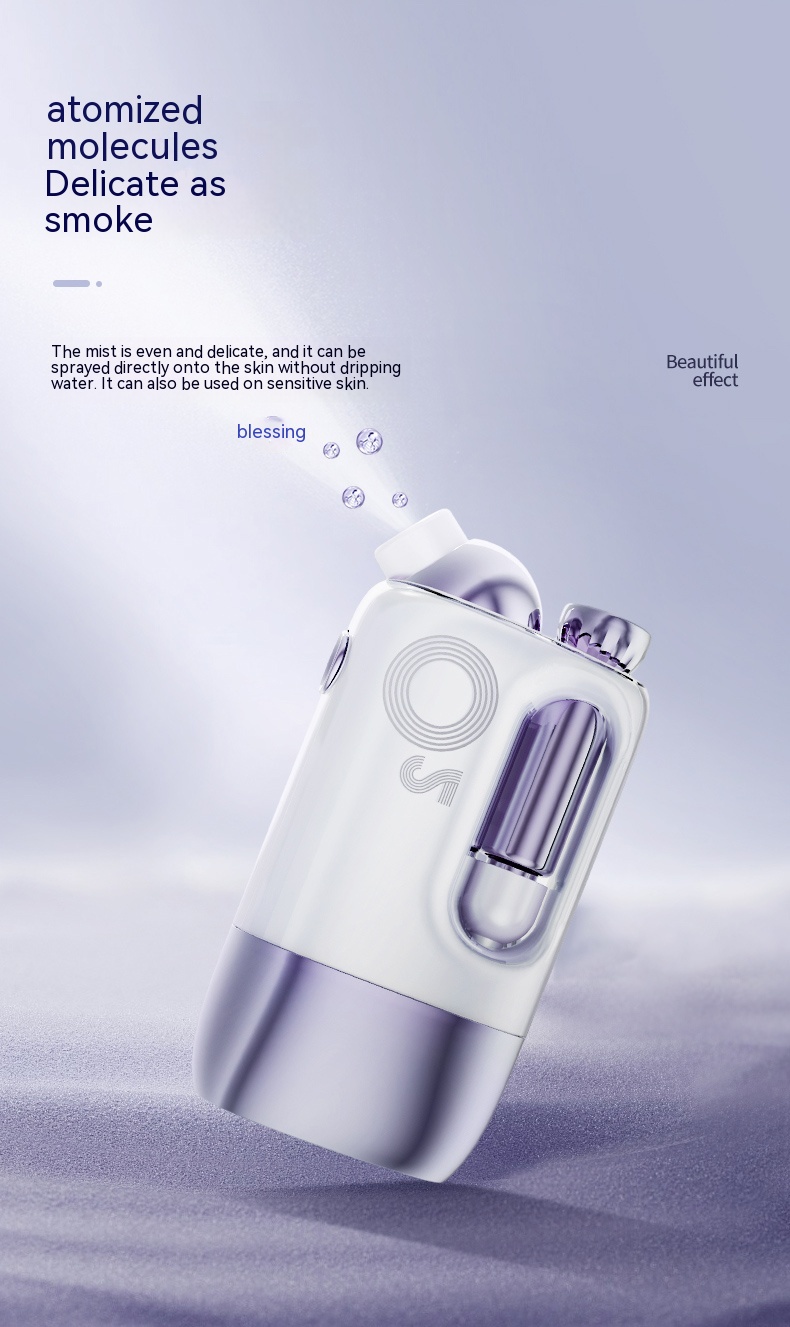

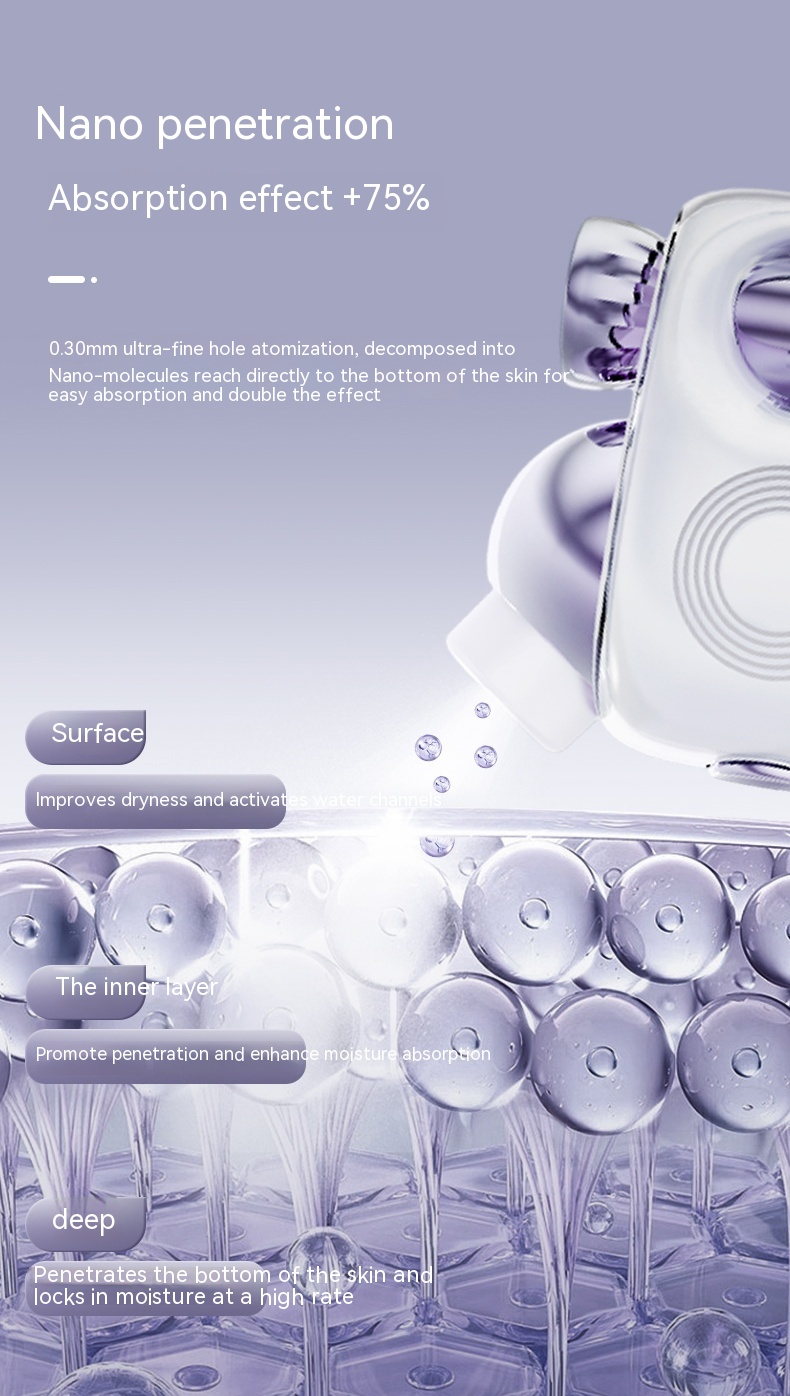
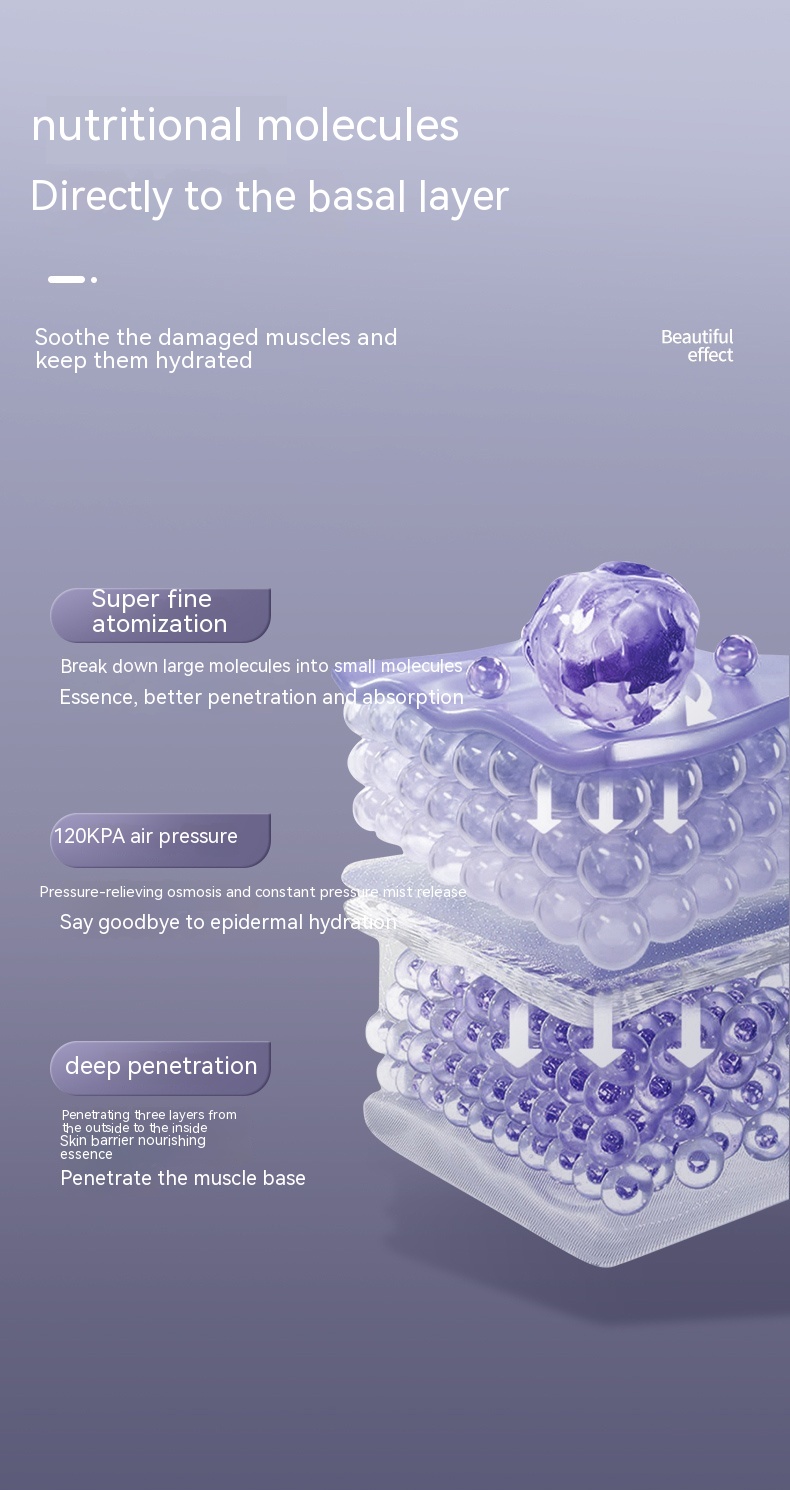

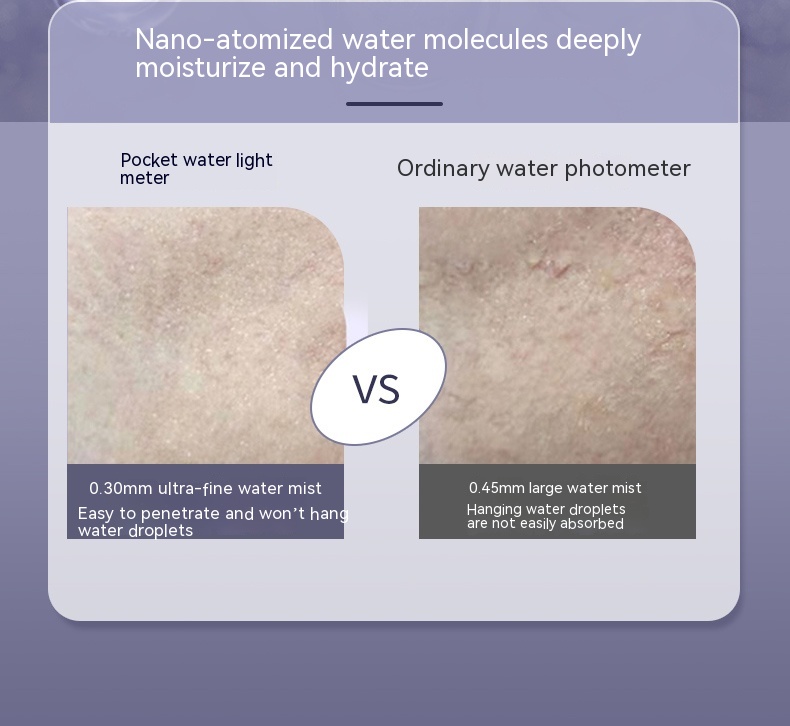
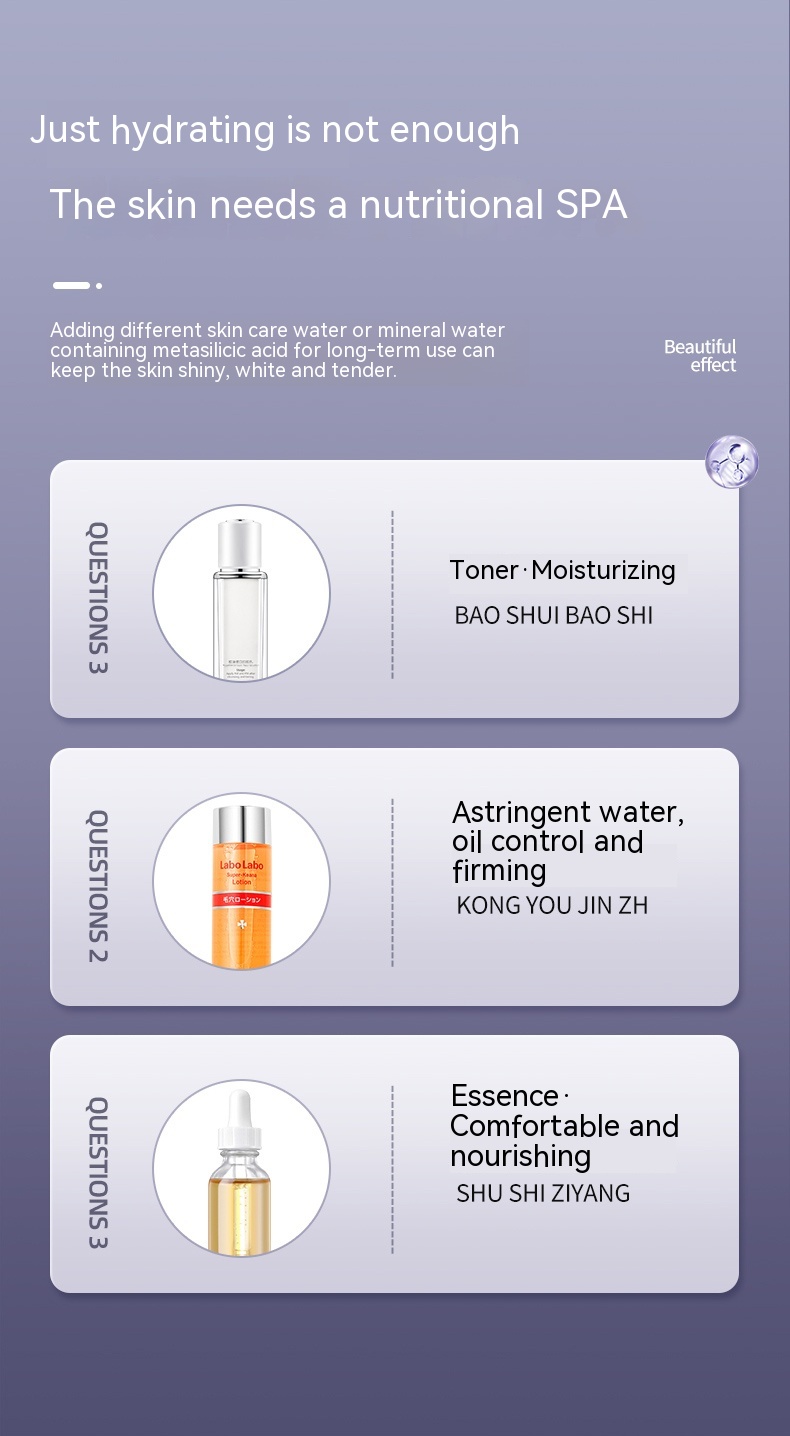
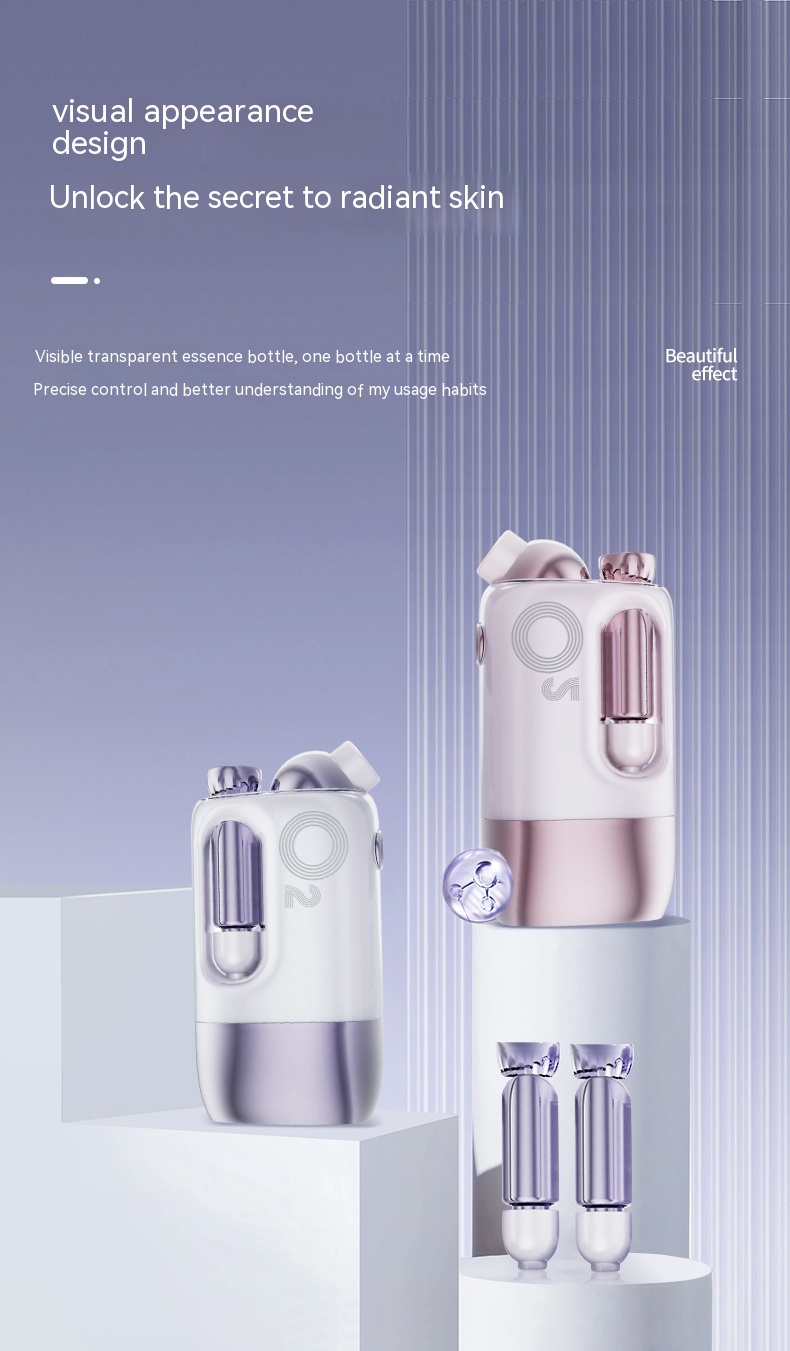
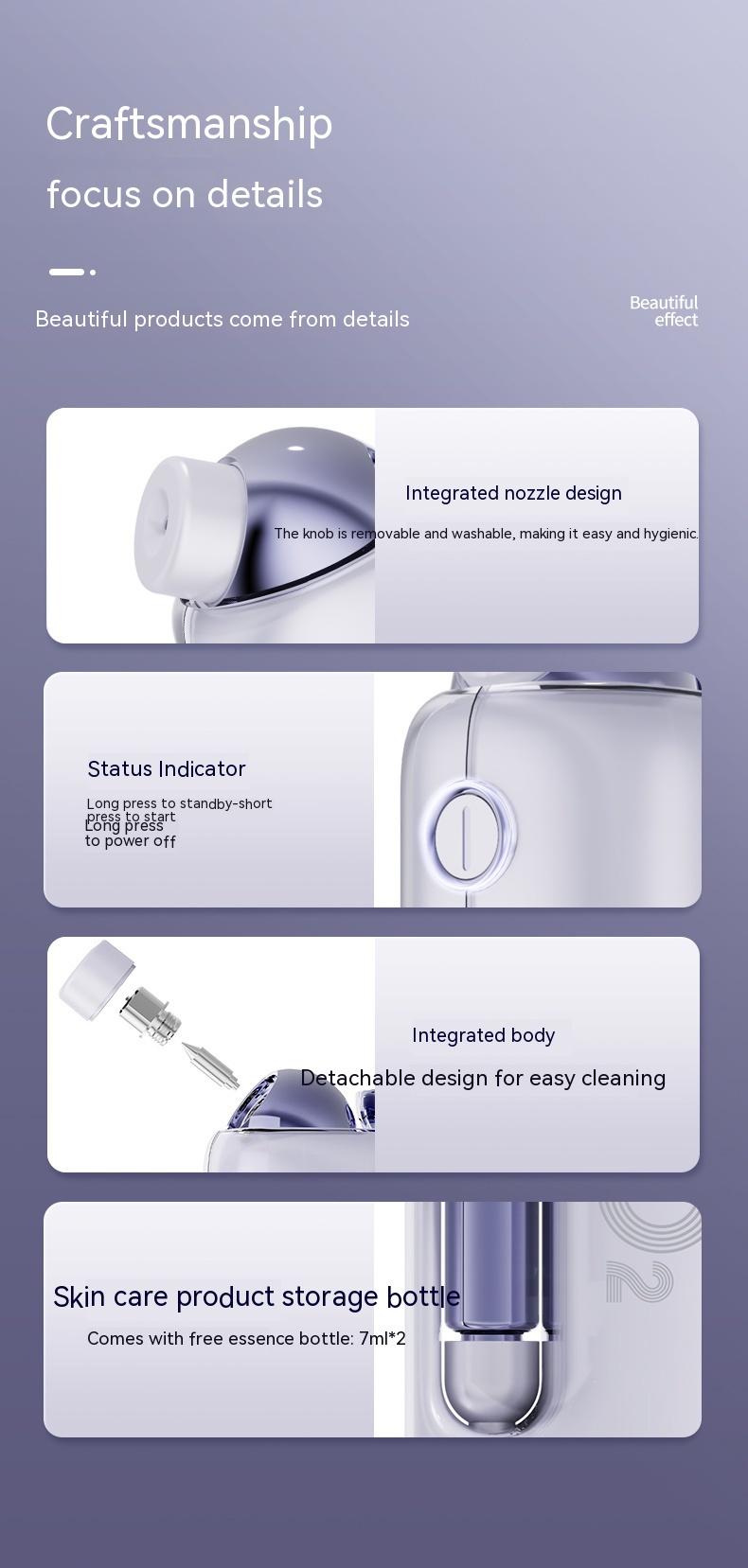

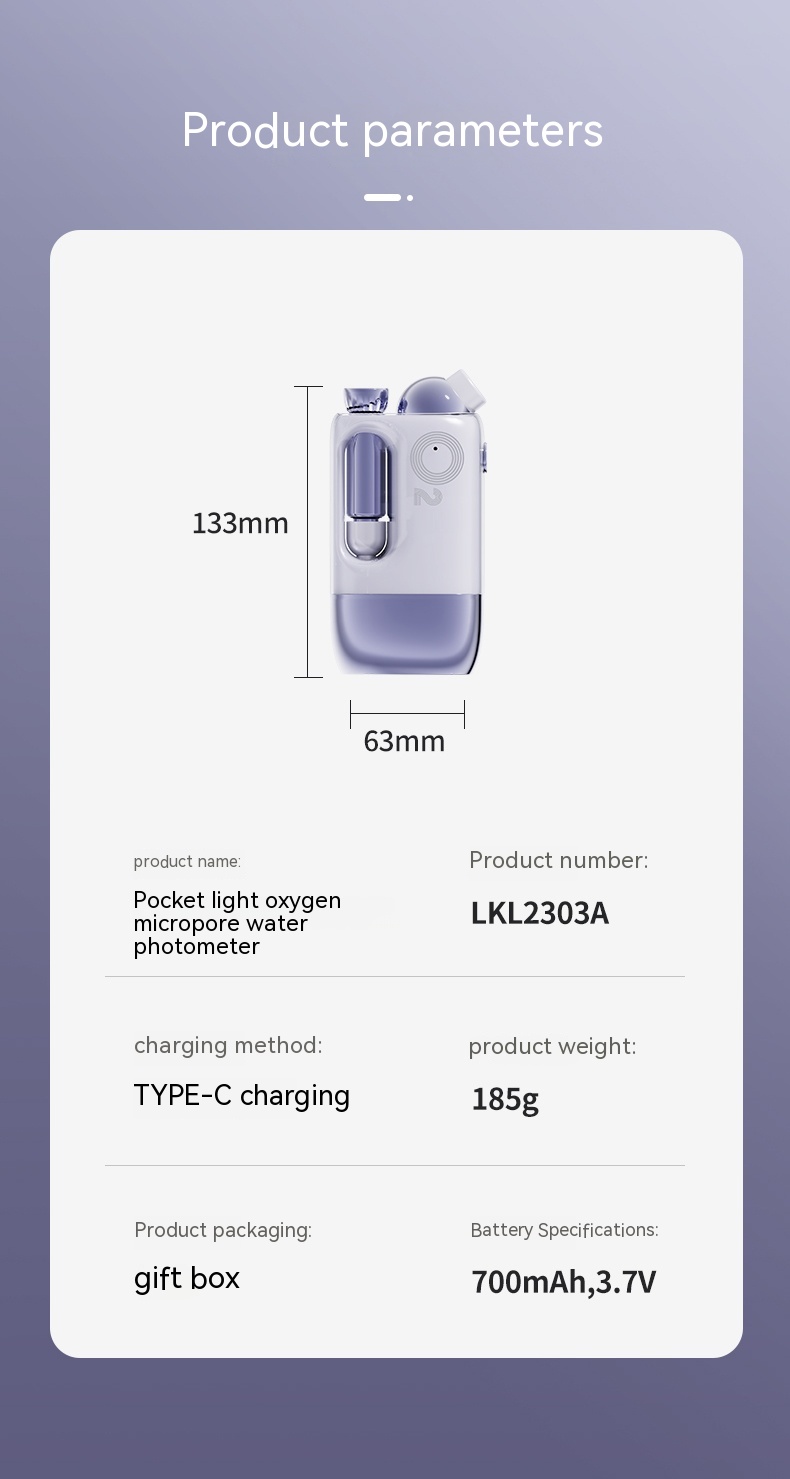
Take water quality testing to the field with a compact, purpose-built Light Oxygen Water Light Meter. This handheld tool uses light-based measurements to deliver quick insights into your water samples, making it ideal for professionals and hobbyists who value speed, simplicity, and portability.
Why this meter stands out
Designed to streamline water quality checks, this light meter minimizes the guesswork often involved in field testing. It combines a streamlined interface with a reliable optical sensing approach, so you can get actionable readings in minutes without bulky lab equipment.
Key benefits
- Portable, pocket-friendly design — carry it anywhere you test water, from aquariums to outdoor ponds.
- Light-based measurements for fast, reagent-free assessments that are easy to interpret.
- Simple operation with intuitive prompts and minimalsetup, so you can test on-site with confidence.
- Robust construction built to withstand common field conditions, ensuring durable performance over time.
- Clear results you can act on immediately, helping you maintain optimal water conditions quickly.
Ideal for
- Aquariums and freshwater systems — keep fish and plants healthy with timely checks.
- Hydroponics and irrigation setups — monitor light-related water parameters that impact root zones.
- Swimming pools, spas, and fountains — spot changes in water quality before issues arise.
- Educational environments and fieldwork — a practical tool for teaching and demonstrations.
What’s included
- Water light meter – 1
How to use
Power on the device, prepare a clean water sample, and bring the sensor into position as directed by the user manual. Read the display for your result, then compare against your target water quality benchmarks. For best results, use clean containers and follow standard testing protocols.
Practical tips for better readings
- Rinse sampling containers between tests to avoid cross-contamination.
- Keep the device dry when not in use and store at recommended temperatures.
- Perform tests in consistent lighting conditions to minimize variability in readings.
- Document readings with date and sample location to track changes over time.


