


Essential Storage & Organization Hacks for Every Room in Your House
, por Très Elite, 16 Tiempo mínimo de lectura
, por Très Elite, 16 Tiempo mínimo de lectura
In today's fast-paced world, maintaining an organized home has become more important than ever. Whether you're working from home, managing a busy household, or simply trying to create a peaceful living environment, effective storage and organization solutions can transform your space and improve your quality of life. At Très Elite, we understand that a well-organized home is the foundation of a comfortable lifestyle, which is why we've compiled this comprehensive guide to help you master storage and organization in every room of your house.
The challenge of maintaining an organized home is universal. We accumulate belongings over time, and without proper systems in place, clutter can quickly take over our living spaces. This not only affects the aesthetic appeal of our homes but can also impact our mental health and productivity. Studies have shown that living in a cluttered environment can increase stress levels and make it difficult to focus on important tasks. By implementing strategic storage and organization solutions, you can create a more functional, beautiful, and peaceful home.
This guide will walk you through practical, actionable strategies for organizing every room in your house. From the bedroom to the kitchen, from the bathroom to the home office, we'll explore innovative storage solutions, organizational systems, and design principles that can help you maximize your space and maintain order. Whether you're dealing with limited square footage or simply want to optimize your existing space, these hacks will provide you with the tools and inspiration you need to create a home that works for you.
Before diving into specific room-by-room solutions, it's essential to understand the fundamental principles of effective organization. Every home is unique, with different layouts, storage capabilities, and lifestyle needs. The key to successful organization is creating systems that work specifically for your situation.
The first step in any organization project is to honestly assess your current situation. Take time to walk through each room of your house and evaluate what's working and what isn't. Ask yourself questions like: Where do I struggle most with clutter? What items do I use regularly versus those I rarely touch? Are there areas where I consistently lose things? Understanding these patterns will help you design organization systems that address your specific pain points.
It's also important to consider your lifestyle and habits. Are you naturally organized, or do you need systems that are simple and forgiving? Do you have children or pets that affect how you need to organize? Are you someone who works from home and needs dedicated storage for office supplies? These factors will influence the types of storage solutions that will work best for you.
Once you've assessed your space, define clear goals for what you want to achieve. Your goals might include reducing clutter, making items easier to find, creating a more aesthetically pleasing environment, or improving functionality. Having specific, measurable goals will help you stay motivated throughout the organization process and allow you to track your progress.
Write down your goals and refer back to them when making decisions about storage solutions and organizational systems. This will help ensure that the choices you make align with your overall vision for your home.
The bedroom should be a peaceful retreat from the chaos of daily life. However, when clutter accumulates, it can disrupt the tranquility of this important space. Effective bedroom organization involves managing clothing, accessories, bedding, and personal items in a way that maximizes space and maintains a calm environment.
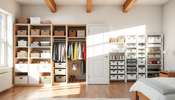
Your closet is likely one of the most challenging areas to organize, especially if you have limited space. The key to an organized closet is implementing a system that makes it easy to find what you need and maintain order over time.
Start by conducting a thorough closet audit. Remove everything from your closet and evaluate each item. Ask yourself if you wear it regularly, if it fits well, and if it makes you feel good. This is an opportunity to declutter and remove items that no longer serve you. Be honest about pieces you haven't worn in over a year or that don't align with your current style.
Once you've pared down your wardrobe, organize your remaining clothing by category. Group similar items together: all tops in one section, bottoms in another, dresses together, and so on. Within each category, you can further organize by color or by frequency of use. This system makes it much easier to find what you're looking for and helps you see what you have available.
Invest in quality hangers that maximize space and protect your clothing. Slim, non-slip hangers take up less room than traditional plastic hangers and help prevent clothes from sliding off. For items like sweaters and knits that are prone to stretching, consider folding them and storing them on shelves rather than hanging them.
Utilize vertical space in your closet by installing additional shelves or using shelf dividers. This allows you to store items like sweaters, jeans, and accessories in a way that's both space-efficient and easy to access. Consider using clear storage boxes for items you don't use frequently, such as seasonal clothing or special occasion outfits. Clear boxes allow you to see what's inside without opening them, making it easier to locate items when needed.
The space under your bed is valuable real estate that often goes unused. Invest in under-bed storage containers to make use of this space. These containers are perfect for storing seasonal clothing, extra bedding, or items you don't need frequent access to. Choose containers with wheels for easy access, and consider using dividers within the containers to keep items organized.
Label your under-bed storage containers clearly so you know exactly what's stored where. This prevents you from forgetting about items and helps maintain organization over time.
Nightstands often become catch-all spaces for items we don't know where else to put. Implement a system for your nightstand drawers using small dividers or boxes. Keep only items you actually use in your bedroom, such as reading glasses, a book, or a lamp. Everything else should find a home elsewhere in your house.
Use drawer organizers to keep items like socks, underwear, and accessories neatly arranged in your bedroom drawers. This not only makes your drawers look neater but also makes it easier to find what you need in the morning.
Consider adding wall-mounted shelves or a wall-mounted jewelry organizer to your bedroom. These solutions add storage without taking up floor space, which is especially valuable in smaller bedrooms. Wall-mounted shelves can display decorative items while also providing functional storage for books, plants, or personal mementos.
The kitchen is often the heart of the home, and it's also one of the most challenging rooms to keep organized. With numerous appliances, cooking tools, pantry items, and dishes, the kitchen requires a thoughtful organizational approach to maintain efficiency and functionality.
A well-organized pantry is essential for efficient meal planning and cooking. Start by taking inventory of everything in your pantry and discarding expired items. Group similar items together: all grains in one section, canned goods in another, snacks together, and so on.
Invest in clear storage containers for items like flour, sugar, pasta, and cereals. These containers not only look neater than original packaging but also help you see when you're running low on staples. Label each container with the contents and expiration date if applicable.
Use shelf risers or tiered shelving to maximize vertical space in your pantry. This allows you to store more items in the same footprint and makes it easier to see everything at a glance. Consider installing a door organizer on the inside of your pantry door to store frequently used items like spices or cooking oils.
Implement a first-in, first-out system for items with expiration dates. Place newer items behind older ones so you use older items first. This helps prevent food waste and ensures you're always using the freshest products.
Kitchen cabinets can quickly become disorganized if you don't have a system in place. Group similar items together: store all your plates in one cabinet, bowls in another, and glasses in a third. This makes it easier to find what you need and helps maintain organization.
Use cabinet organizers like shelf risers, pull-out baskets, or stackable shelves to maximize space. These tools allow you to store more items in the same cabinet and make items more accessible. For deep cabinets, consider using pull-out drawers or baskets so you can easily access items in the back without having to reach all the way in.
Organize your kitchen drawers using dividers to create designated spaces for different types of utensils and tools. Keep frequently used items in the most accessible drawers, and store less frequently used items in harder-to-reach locations.
Large appliances like blenders, food processors, and stand mixers can take up significant counter and cabinet space. Store these items in a dedicated cabinet or shelf, and only keep them on the counter if you use them daily. This helps keep your kitchen looking cleaner and more organized.
Hang frequently used cooking tools like spatulas, wooden spoons, and measuring spoons on a wall-mounted rack or magnetic strip. This keeps them easily accessible while freeing up drawer space. Store less frequently used tools in a drawer with dividers to keep them organized.
An organized refrigerator makes meal planning easier and helps prevent food waste. Use clear storage containers to group similar items together. Store vegetables in the crisper drawer, dairy products on a dedicated shelf, and condiments in the door. Label containers with contents and dates to help you keep track of what you have and when items were opened.
Keep your freezer organized by using clear freezer bags or containers to store items. Label everything with the contents and date frozen. Arrange items by category so you can easily find what you need without having to dig through everything.
The bathroom is a space where you start and end your day, so keeping it organized and clutter-free can significantly impact your daily routine. Effective bathroom organization involves managing toiletries, medications, cleaning supplies, and towels in a way that maximizes space and maintains cleanliness.
Start by decluttering your medicine cabinet and vanity. Remove expired medications and skincare products, and discard items you no longer use. Group similar items together: all skincare products in one section, medications in another, and hair care products in a third.
Use small containers or drawer dividers to keep items organized within your medicine cabinet. This prevents items from shifting around and makes it easier to find what you need. Consider using a lazy Susan or rotating organizer for frequently used items like moisturizers and serums, making them easy to access.
The space under your bathroom sink is valuable storage real estate. Install a pull-out organizer or shelf to maximize this space. Store cleaning supplies, extra toilet paper, and other bathroom essentials here. Use clear containers to store items so you can see what you have at a glance.
Be sure to store any hazardous materials safely, away from children and pets. Consider using a locking cabinet if you have young children in your home.
Organize your towels and linens by rolling them and storing them in a basket or on a shelf. Rolling towels not only saves space but also creates a spa-like aesthetic. Group towels by color or by type (bath towels, hand towels, washcloths) to keep them organized.
If you have limited linen closet space, consider storing seasonal bedding in under-bed storage containers and keeping only current-season linens in your linen closet.
Keep your shower and tub area clutter-free by using a shower caddy or wall-mounted organizer to store toiletries. This keeps products easily accessible while maintaining a clean, organized appearance. Use clear containers for items like bath bombs or shower steamers so you can see what you have available.
Consider using a tension rod under your sink to hang spray bottles, freeing up shelf space for other items.
With more people working from home than ever before, having an organized home office is essential for productivity and focus. An effective home office organization system helps you stay on top of tasks, find documents quickly, and maintain a professional environment.
Your desk is the command center of your home office, so keeping it organized is crucial. Start by removing everything from your desk and only returning items you use daily. Everything else should find a home elsewhere in your office.
Use desk organizers to keep pens, pencils, and other small items neatly arranged. A desk pad or mat can help define your workspace and protect your desk surface. Consider using a desk shelf or hutch to add vertical storage without taking up additional floor space.
Keep your desk surface clear of clutter by using drawer organizers to store items like notepads, sticky notes, and paper clips. This creates a clean, professional appearance and helps you focus on your work.
Implement a filing system that works for your needs. You might organize files by project, by client, or by type of document. Use clearly labeled file folders and file cabinets to keep documents organized and easy to find.
Consider going digital with your filing system by scanning important documents and storing them in organized digital folders. This saves physical space and makes documents easier to search and retrieve.
Keep office supplies organized in a designated storage area. Use drawer dividers, small containers, or a rolling cart to store items like printer paper, ink cartridges, and envelopes. Keep frequently used supplies in the most accessible location, and store less frequently used items elsewhere.
Cables and cords can quickly create a tangled mess behind your desk. Use cable organizers, clips, or ties to keep cables neatly arranged and easy to identify. Label cables at both ends so you know which cable connects to which device.
The living room is where you relax and entertain guests, so keeping it organized and clutter-free is important for both comfort and aesthetics. Effective living room organization involves managing entertainment items, books, decorative objects, and seating in a way that creates a welcoming, functional space.
If you have a television and entertainment system, organize this area thoughtfully. Use a media console or entertainment center with built-in storage to keep DVDs, gaming consoles, and cables organized. Use drawer organizers or small containers to keep remote controls, gaming controllers, and other small items neatly arranged.
Consider using a cable management system to keep cords organized behind your entertainment center. This creates a cleaner appearance and makes it easier to identify and access cables when needed.
If you're an avid reader, organizing your book collection can be challenging. Consider organizing books by genre, by author, or by color, depending on your preference. Use bookends to keep books upright on shelves, and consider displaying your favorite books with their covers facing out for a more visually appealing look.
If you have limited shelf space, consider using vertical storage solutions like wall-mounted shelves or a tall bookcase. You can also store books in decorative baskets or storage boxes under side tables or ottomans.
Arrange your furniture in a way that promotes conversation and creates a welcoming atmosphere. Avoid pushing all furniture against the walls, as this can make the space feel cold and uninviting. Instead, create conversation areas by arranging seating in a way that encourages interaction.
Use ottomans or storage benches that provide both seating and storage. These multifunctional pieces help maximize space while keeping items organized and out of sight.
Decorative items can quickly accumulate and create clutter. Be selective about what you display, and store seasonal decorations in clearly labeled boxes. Rotate your decorative items seasonally to keep your living room feeling fresh and organized.
Use floating shelves or wall-mounted display cases to showcase your favorite decorative items without taking up floor space. This creates visual interest while maintaining an organized appearance.
The laundry room is often an overlooked space, but keeping it organized can significantly streamline your laundry routine and make this chore more manageable. Effective laundry room organization involves managing cleaning supplies, sorting systems, and storage in a way that makes laundry day easier.
Organize your cleaning supplies by category: laundry detergents together, fabric softeners together, stain removers together, and so on. Use a tiered shelf or cabinet organizer to maximize vertical space and make items easily accessible.
Keep frequently used items at eye level and less frequently used items on higher or lower shelves. Use clear containers or labels to identify items quickly, especially if you have multiple types of the same product.
Implement a laundry sorting system that works for your household. You might use a three-compartment hamper to sort laundry by color (whites, darks, and colors), or you might prefer to sort by type of garment. Whatever system you choose, make sure it's easy to use and maintain.
If you have a large household, consider using separate hampers for each family member. This makes it easier to keep track of whose laundry is whose and helps family members take responsibility for their own clothing.
Create a dedicated area for drying and folding clothes. A folding table or counter makes this task more comfortable and helps keep your laundry organized. Use a drying rack or clothesline for items that need to air dry, and keep these items organized so they don't create clutter.


