


Vitamin D Foods: The Best Sources to Boost Your Levels Naturally
, por Très Elite, 8 Tiempo mínimo de lectura
, por Très Elite, 8 Tiempo mínimo de lectura
Vitamin D is a crucial nutrient that plays a vital role in our overall health and well-being. Often referred to as the "sunshine vitamin," it is primarily produced by our bodies when our skin is exposed to sunlight. However, many people struggle to maintain adequate vitamin D levels, especially during the winter months or in regions with limited sunlight.
In this comprehensive blog post, we will explore the best natural sources of vitamin D and provide practical tips to help you boost your levels through your diet. Whether you're looking to support your immune system, strengthen your bones, or simply improve your overall health, understanding the importance of vitamin D and how to obtain it from food is essential.
Vitamin D is a fat-soluble vitamin that is essential for a wide range of bodily functions. It is best known for its role in calcium absorption and bone health, but its benefits extend far beyond that. Adequate vitamin D levels have been linked to:
Vitamin D plays a crucial role in the proper functioning of the immune system. It helps regulate the immune response, reducing the risk of autoimmune disorders and supporting the body's ability to fight off infections and illnesses.
Vitamin D has been shown to have a positive impact on cardiovascular health. It can help lower blood pressure, reduce the risk of heart disease, and support healthy cholesterol levels.
Emerging research suggests that vitamin D may also play a role in cognitive function and brain health. It has been linked to a reduced risk of cognitive decline and may even help prevent conditions like Alzheimer's disease.
Vitamin D deficiency has been associated with an increased risk of depression and other mood disorders. Maintaining optimal vitamin D levels may help support mental well-being and emotional regulation.
As mentioned, vitamin D is essential for calcium absorption and the maintenance of strong, healthy bones. It also plays a role in muscle function and can help prevent falls and fractures in older adults.
Given the wide-ranging benefits of vitamin D, it's clear that ensuring adequate levels is crucial for overall health and well-being. Unfortunately, many people struggle to get enough of this vital nutrient, which is why understanding the best dietary sources is so important.
While sun exposure is the primary way our bodies produce vitamin D, there are also several food sources that can help boost your levels. Here are some of the best natural sources of vitamin D:
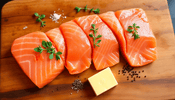
Fatty fish, such as salmon, tuna, mackerel, and sardines, are among the richest dietary sources of vitamin D. A 3.5-ounce serving of wild-caught salmon, for example, can provide up to 600 IU of vitamin D, which is well over the recommended daily intake.
Egg yolks are another excellent source of vitamin D. The amount of vitamin D in egg yolks can vary depending on the hen's diet, but on average, a single large egg yolk contains around 40 IU of this essential nutrient.
Certain types of mushrooms, particularly those exposed to UV light, can be a good plant-based source of vitamin D. Shiitake, portobello, and maitake mushrooms are all excellent options, providing around 100-400 IU per serving.
Many foods, such as milk, yogurt, cereal, and plant-based milk alternatives, are fortified with vitamin D. While the amounts can vary, these fortified products can be a convenient way to boost your intake.
Cod liver oil is a rich source of both vitamin D and vitamin A. A single teaspoon of cod liver oil can provide up to 450 IU of vitamin D, making it a potent supplement for those looking to increase their levels.
It's important to note that the amount of vitamin D in these foods can vary depending on factors such as the specific type, growing conditions, and processing methods. Additionally, the bioavailability of vitamin D from different sources may also play a role in how effectively it is absorbed by the body.
To ensure you're getting enough vitamin D from your diet, consider incorporating the following strategies:
Make fatty fish, such as salmon, tuna, mackerel, and sardines, a regular part of your diet. Aim for at least two servings per week to maximize your vitamin D intake.
Don't be afraid to enjoy egg yolks as part of a balanced diet. They can be a great source of vitamin D, especially if the hens were fed a diet rich in this nutrient.
Explore different types of mushrooms, particularly those exposed to UV light, and incorporate them into your meals. Sautéed, grilled, or roasted mushrooms can be a delicious way to boost your vitamin D intake.
When shopping, look for dairy products, plant-based milk alternatives, cereals, and other foods that have been fortified with vitamin D. These can be a convenient way to supplement your intake.
If you're unable to meet your vitamin D needs through diet alone, consider taking a high-quality supplement. Always consult with your healthcare provider to determine the appropriate dosage for your individual needs.
Remember, the amount of vitamin D your body needs can vary depending on factors such as age, skin tone, sun exposure, and overall health status. It's essential to work with your healthcare provider to determine your optimal vitamin D levels and develop a plan to maintain them through a combination of dietary sources and, if necessary, supplementation.
By incorporating these natural sources of vitamin D into your diet, you can take an important step towards supporting your overall health and well-being. So, let's dive in and explore the best ways to boost your vitamin D levels through the foods you eat!
To help you incorporate more vitamin D-rich foods into your diet, here are a few delicious and nutritious recipe ideas:
Ingredients:
Instructions:
Ingredients:
Instructions:
Ingredients:
Instructions:
These are just a few examples of how you can incorporate more vitamin D-rich foods into your diet. Remember to experiment with different recipes and find the ones that best suit your taste preferences and dietary needs.
Vitamin D is a crucial nutrient that plays a vital role in our overall health and well-being. By understanding the importance of this "sunshine vitamin" and incorporating natural sources into your diet, you can take an important step towards supporting your immune system, bone health, cognitive function, and more.
Whether you're looking to boost your vitamin D levels through fatty fish, egg yolks, mushrooms, or fortified foods, the key is to make it a regular part of your lifestyle. By doing so, you'll be well on your way to enjoying the many benefits that this essential nutrient has to offer.
So, start exploring the delicious and nutritious vitamin D-rich recipes we've shared, and don't hesitate to consult with your healthcare provider if you have any concerns about your vitamin D status. With a little bit of knowledge and a commitment to a balanced, vitamin D-rich diet, you can unlock the path to optimal health and well-being.


