


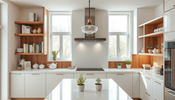
The Best Ways to Maximize Kitchen Storage Without Sacrificing Style
, by Très Elite, 15 min reading time
, by Très Elite, 15 min reading time
The kitchen is often considered the heart of the home, and for good reason. It's where families gather, meals are prepared, and memories are created. However, kitchens can quickly become cluttered and disorganized if storage solutions aren't thoughtfully implemented. At Très Elite, we understand that modern homeowners and designers need kitchen storage that is both functional and aesthetically pleasing. The challenge lies in finding ways to maximize storage capacity while maintaining the beautiful, curated aesthetic that makes a kitchen truly special.
Whether you're working with a compact apartment kitchen or a sprawling culinary space, the principles of smart storage design remain the same: maximize vertical space, choose multi-functional pieces, and select storage solutions that complement your overall design vision. This comprehensive guide will walk you through the best strategies for optimizing your kitchen storage without compromising on style.
Before diving into specific storage solutions, it's essential to assess your unique kitchen needs. Every kitchen is different, and what works for one household may not work for another. Take time to evaluate your cooking habits, the number of people in your household, and the types of items you need to store regularly.
Start by taking inventory of everything you currently store in your kitchen. This includes cookware, small appliances, dishes, glasses, utensils, pantry items, and any other kitchen essentials. As you go through each item, ask yourself whether you use it regularly, occasionally, or rarely. Items used daily should be easily accessible, while those used less frequently can be stored in less convenient locations.
This inventory process will reveal patterns in your storage needs. You might discover that you have far more serving dishes than you actually use, or that your collection of specialty kitchen gadgets has grown beyond what your current storage can accommodate. Understanding these patterns will help you make informed decisions about which storage solutions will be most beneficial for your specific situation.
Accurate measurements are crucial when planning kitchen storage improvements. Measure the height, width, and depth of your kitchen walls, cabinets, and any available floor space. Note the locations of windows, doors, electrical outlets, and any architectural features that might affect storage placement. Take photographs of your kitchen from multiple angles to reference as you plan.
These measurements will help you identify opportunities for storage that you might otherwise overlook. A narrow gap between your refrigerator and the wall might be perfect for a slim pull-out pantry. The space above your cabinets could accommodate decorative storage baskets. The inside of cabinet doors offers valuable real estate for hanging organizers or spice racks.
One of the most effective ways to maximize kitchen storage is to think vertically. Most kitchens have significant unused wall space that can be transformed into functional storage areas. Vertical storage not only increases your storage capacity but also draws the eye upward, making smaller kitchens feel more spacious.
Open shelving has become increasingly popular in modern kitchen design, and for good reason. Wall-mounted shelves provide easy access to frequently used items while creating an opportunity to display beautiful dishware, cookbooks, or decorative objects. When styled thoughtfully, open shelving can enhance your kitchen's aesthetic while providing practical storage.
When installing wall-mounted shelves, consider the weight capacity and ensure they're properly anchored to wall studs for safety. Choose shelving materials that complement your kitchen's design style. Floating shelves create a minimalist, contemporary look, while traditional wooden shelves with brackets offer a more classic aesthetic. Stainless steel shelves work well in modern or industrial kitchens, while glass shelves provide an elegant, sophisticated appearance.
To keep open shelves looking organized and intentional rather than cluttered, follow the principle of styling in groups of three. Arrange items in odd numbers, mix functional pieces with decorative objects, and leave some breathing room on each shelf. This approach creates visual interest while maintaining a curated, professional appearance.
Pegboards offer a versatile and customizable storage solution that works well in kitchens of any size. These wall-mounted boards with evenly spaced holes allow you to hang hooks, baskets, and shelves in any configuration that suits your needs. Pegboards are particularly useful for storing frequently used items like cooking utensils, measuring cups, and small appliances.
Modern pegboards come in various materials and finishes, from traditional wood to contemporary metal options. You can paint pegboards to match your kitchen's color scheme or leave them natural for a more rustic appearance. The beauty of pegboard systems is their flexibility—you can easily rearrange items as your storage needs change.
When organizing a pegboard, group similar items together and arrange them at eye level for easy access. Use a combination of hooks, baskets, and shelves to accommodate different item sizes. Label baskets clearly so everyone in your household knows where to find what they need.
Magnetic strips mounted on walls or inside cabinet doors provide an elegant solution for storing metal kitchen tools. Magnetic knife strips keep your knives organized, easily accessible, and safely stored. They work particularly well in contemporary kitchens and can become a striking design feature when chosen thoughtfully.
Beyond knives, magnetic strips can hold metal measuring spoons, small metal utensils, and other ferrous metal items. Choose strips in finishes that complement your kitchen hardware, such as brushed stainless steel, matte black, or polished chrome.
Your existing kitchen cabinets likely have more storage potential than you're currently utilizing. Strategic organization and the addition of interior storage solutions can dramatically increase your cabinet capacity without requiring expensive renovations.
Pull-out drawers and baskets transform deep cabinets into accessible storage spaces. Rather than reaching to the back of a cabinet and struggling to retrieve items, pull-out systems bring everything forward, making it easy to see and access what you need. These systems are particularly valuable in lower cabinets where bending and reaching can be awkward.
Pull-out baskets come in various materials, including wire, wood, and woven materials. Choose options that match your kitchen's aesthetic while providing the functionality you need. Wire baskets work well in contemporary kitchens, while woven baskets add warmth and texture to traditional or farmhouse-style spaces.
Shelf dividers prevent stacks of plates, bowls, or baking sheets from toppling over and make it easier to retrieve individual items without disturbing the entire stack. Risers, also called shelf risers or cabinet risers, create additional shelf space by elevating items, allowing you to store more in the same footprint.
These simple additions can significantly increase your storage capacity. A single shelf can accommodate both a stack of dinner plates on the bottom and a stack of salad plates on a riser above, effectively doubling your storage space for dishware.
Lazy Susans and rotating organizers make corner cabinets and deep shelves much more functional. Rather than reaching to the back of a cabinet and struggling to find what you need, rotating organizers bring items to you. These work particularly well for storing spices, condiments, oils, and other small items that tend to get lost in the back of cabinets.
Choose rotating organizers in materials and finishes that complement your kitchen design. Stainless steel options work well in modern kitchens, while wooden or woven organizers add warmth to traditional spaces.
The inside of cabinet doors represents valuable storage real estate that's often overlooked. Door-mounted organizers can hold spices, oils, vinegars, cleaning supplies, or other items. Adhesive-backed organizers make installation easy without requiring drilling or permanent modifications.
When using door-mounted storage, be mindful of weight distribution. Heavier items should be stored in lower cabinets where the door hinges can better support the weight. Lighter items work well on upper cabinet doors.
Drawers are prime real estate in kitchen storage, and organizing them effectively can make a significant difference in your daily kitchen experience. Well-organized drawers help you find what you need quickly and make it easier to maintain order over time.
Utensil dividers transform messy drawers into organized spaces where every item has its place. Adjustable dividers allow you to customize compartment sizes to fit your specific utensils and tools. Choose dividers in materials that complement your kitchen, such as bamboo for a natural aesthetic or stainless steel for a modern look.
Beyond utensils, drawer dividers work well for organizing measuring spoons and cups, kitchen scissors, and other small tools. The key is ensuring that each item has a designated spot, making it easy to maintain organization over time.
Different types of kitchen items benefit from specialized organizers. Knife blocks designed to fit in drawers keep knives organized and safe. Spice drawer organizers with labeled compartments make it easy to find the spice you need. Baking sheet organizers keep flat items upright and accessible.
Investing in specialized organizers for your most-used items pays dividends in terms of convenience and maintaining organization. When items have designated homes, they're more likely to be returned to those spots consistently.
Many kitchen drawers have unused vertical space above stored items. Tiered drawer organizers or stackable containers can help you utilize this space. Shallow drawers can accommodate two layers of items with the right organizers, effectively doubling your storage capacity.
Be careful not to overstuff drawers to the point where they're difficult to open or close. The goal is to maximize space while maintaining functionality and ease of access.
Whether you have a dedicated pantry room or a pantry cabinet, thoughtful organization can dramatically improve your ability to store and access food items. A well-organized pantry makes meal planning easier, reduces food waste, and helps you maintain a clear inventory of what you have on hand.
Start by grouping pantry items into logical categories: grains and pasta, canned goods, baking supplies, snacks, oils and vinegars, spices, and any other categories relevant to your household. This categorization makes it easier to find items and helps you identify when you're running low on essentials.
Within each category, arrange items by frequency of use. Items you use daily should be at eye level and easily accessible, while items used occasionally can be stored higher or lower.
Transferring dry goods from their original packaging into uniform containers serves multiple purposes. Airtight containers keep food fresher longer, reduce the space taken up by bulky original packaging, and create a more organized, cohesive appearance. Clear containers allow you to see at a glance what you have and when you're running low.
Choose containers in sizes appropriate for your household's consumption rates. A large container of flour makes sense if you bake frequently, while a smaller container might be more appropriate if you bake occasionally. Label containers clearly with the contents and expiration date if applicable.
Arrange pantry shelves strategically to maximize capacity. Use shelf risers to create additional shelf space, and arrange items so that nothing is hidden behind other items. Group similar items together so you can quickly locate what you need.
Consider the weight distribution of items on shelves. Heavier items like canned goods should be on lower shelves, while lighter items can be stored higher. This arrangement is not only safer but also makes items easier to access.
If you have a pantry cabinet rather than a dedicated pantry room, pull-out shelves or baskets can make items at the back of the cabinet more accessible. These solutions work particularly well in deep cabinets where items tend to get lost in the back.
The space under the sink and in lower cabinets is often underutilized or poorly organized. These areas can be transformed into highly functional storage with the right solutions.
The area under the sink typically houses plumbing, making it challenging to store items. However, with careful planning, you can create functional storage around these obstacles. Tiered shelf risers allow you to store items on multiple levels, and pull-out baskets make items at the back of the cabinet more accessible.
Use this space for storing cleaning supplies, dish soap, trash bags, and other items you use regularly. Keep frequently used items at the front for easy access, and store less frequently used items toward the back.
The area under the sink can be damp due to potential leaks and condensation. Choose storage solutions that can withstand moisture, such as plastic or stainless steel organizers rather than wood. Ensure adequate ventilation to prevent mold and mildew growth. If you notice moisture issues, address the underlying cause before storing items in this space.
Lower cabinets are ideal for storing heavier items like pots, pans, and small appliances. Organize these items so that frequently used pieces are easily accessible. Use tiered shelf risers to create additional storage space, and consider pull-out drawers for items stored at the back of the cabinet.
Pot and pan organizers, whether vertical dividers or tiered racks, help keep cookware organized and prevent scratching. Choose organizers that fit your cabinet dimensions and accommodate your collection of cookware.
Small kitchen appliances can quickly clutter countertops and consume valuable storage space. Strategic solutions for storing and concealing appliances help maintain a clean, organized kitchen aesthetic.
Appliance garages are enclosed storage spaces designed specifically for small appliances. These can be built into cabinetry or purchased as standalone units. They keep appliances out of sight while keeping them easily accessible. Choose appliance garages in finishes that match your kitchen cabinetry for a seamless, integrated appearance.
Appliance garages work particularly well for items like toasters, coffee makers, and blenders that you use regularly but don't want displayed on your countertop. The garage keeps dust off your appliances while maintaining easy access.
For kitchens without space for traditional appliance garages, vertical storage solutions can work well. Wall-mounted shelves or cabinets can accommodate smaller appliances, keeping them accessible without consuming valuable countertop space. Ensure shelves are securely installed and can support the weight of your appliances.
Some modern kitchen designs incorporate drawer-style storage for small appliances. These drawers pull out from under the counter, providing easy access while keeping appliances concealed when not in use. This solution works particularly well in contemporary kitchens with streamlined aesthetics.
While not technically storage, optimizing counter space is crucial for maintaining an organized, functional kitchen. A cluttered counter makes the entire kitchen feel disorganized, even if storage elsewhere is excellent.
Use vertical space on your countertop to store items that would otherwise consume valuable surface area. Tiered shelf risers, wall-mounted shelves above the counter, and hanging organizers all help you store items vertically rather than horizontally.
Evaluate what you keep on your countertop and consider whether each item truly needs to be there. Items used daily can justify counter space, but items used occasionally should be stored away. This principle alone can dramatically improve your kitchen's appearance and functionality.
For items that must remain on the counter, choose storage solutions that are both functional and beautiful. Attractive canisters, decorative bowls, and stylish utensil holders can store everyday items while enhancing your kitchen's aesthetic. At Très Elite, we curate collections of home decor and lifestyle products that combine form and function beautifully.
Different types of kitchen items benefit from specialized storage solutions designed with their unique needs in mind.
Spices are essential to cooking but can quickly become disorganized and difficult to access. Dedicated spice storage solutions keep your collection organized and visible. Options include tiered spice racks, magnetic spice containers, drawer organizers, and wall-mounted spice shelves.
When organizing spices, arrange them alphabetically or by cuisine type, depending on your cooking style. Label containers clearly, and consider noting the purchase date so you can use older spices first. Proper spice storage also helps preserve flavor and potency.
If you bake frequently, you likely have numerous baking supplies that need organized storage. Dedicated baking supply organizers, whether drawer inserts, shelf risers, or specialized cabinets, help keep these items accessible and organized. Group similar items together, such as all flour in one area, all sugars in another, and all leavening agents in a third.
Pots, pans, baking sheets, and other cookware can consume significant storage space if not organized thoughtfully. Vertical dividers keep baking sheets and cutting boards upright and accessible. Tiered pot racks or nested storage solutions help organize cookware efficiently. Hanging pot racks, whether wall-mounted or suspended from the ceiling, provide accessible storage while adding visual interest to your kitchen.
Organizing dishes, glasses, and serving pieces requires thoughtful planning to maximize space while ensuring items are easily accessible. Stack similar items together, using shelf dividers to prevent toppling. Arrange items by frequency of use, with everyday dishes at eye level and special occasion pieces stored


